Light and Shadow on Strings by Hong Kong Chinese Orchestra (Chamber Ensemble) and Yang Enhua (Solo and Ensemble)
Light and Shadow on Strings by Hong Kong Chinese Orchestra (Chamber Ensemble) and Yang Enhua (Solo and Ensemble)

In-venue Programme

Date
28 March 2026 (Sat), 3pm
Venue
Auditorium, Tsuen Wan Town Hall
Note
  • Approx. 80 minutes with one interval
  • The performance contains smoke effects.
  • The performance contains scenes of near complete darkness
  • Please switch off all sound-making and light-emitting devices.
  • Unauthorised photography or recording of any kind is strictly prohibited.
Accessibility Services
4
Subtitles in Chinese and English, house programme in audio format available

In-venue Screening

Online Screening

#ffffff 0
About the performance
1. Music as “Light”, Seeing the World through the Ears

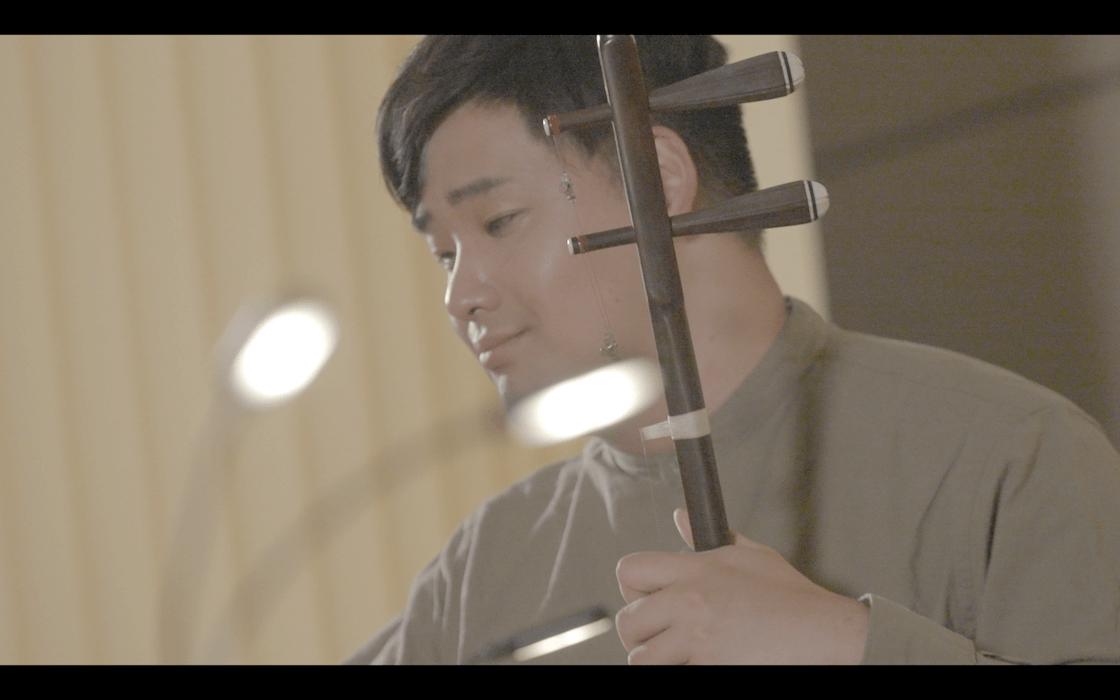
Co-produced by No Limits and the Hong Kong Chinese Orchestra (HKCO), Light and Shadow on Strings features HKCO and visually impaired erhu prodigy Yang Enhua in a collaboration that highlights inclusion. Rupert Woo, Associate Conductor of HKCO and Resident Conductor of The Hong Kong Young Chinese Orchestra, states, “Enhua has mostly performed as a soloist in the past. As a flagship Chinese orchestra, HKCO is pleased to offer Enhua a professional platform to push his own boundaries through performing with professional musicians.” Under Woo’s programme planning, the concert begins with Yang’s solo performances, followed by chamber works, including a huqin quartet and string quintets, and culminates in a soul-stirring ethnic orchestral piece performed by the ensemble. This ground-breaking concert unfolds layer by layer, weaving serenity with intensity. It is not merely a showcase of talent with different abilities. Yang’s nuanced emotions and technical mastery are also highlighted, breaking the audience’s preconceived notions of the visually impaired while conveying the spirit of diversity and inclusion.

#ffffff 0
2. Dishui Nanyin Composed by Yang

Yang excels at expressing rich emotions through storytelling with his bow. The first three solo pieces presented are all deeply humane in spirit. One is his newly composed “Dishui Nanyin”, a narrative of his own life story that also demonstrates his commitment to both preserving and innovating traditional quyi culture. The next work is “Farewell”, the masterpiece by erhu master Sun Wenming, who is also visually impaired. Composed in the spring of 1957, the piece showcases Sun’s ingenious use of the thicker inner string’s powerful volume to evoke the deep, rich tones of a smaller ensemble, while the thinner, softer outer string produces a more delicate sound reminiscent of the faint and ethereal timbre of the gaohu, creating a striking contrast. This is followed by an adaptation of “Reflection of the Moon on the Water,” by folk artist Hua Yanjun (Abing), arguably the most beloved erhu piece, characterised by deeply moving, melancholic sentiment. Hua, who lost his sight and became a street performer, remained steadfast in his belief in light and hope; despite enduring humiliation and hardship, the piece stands as a powerful reflection of his inner world.

For the second part, Woo selected pieces Yang had never performed, including a quartet and several quintets performed with the HKCO Chamber Ensemble. It opens with Cantonese master Lui Man Shing’s “Autumn Moon on a Placid Lake”, a quintet that blends movement and stillness to create a serene and beautiful atmosphere; the image of an autumn moon over a calm lake, in particular, evokes a sense of transcendent contemplation. The erhu quartet “Ru-Meng-Ling” (Like a Dream) was composed based on the poetic imagery of the poem Like a Dream: Last Night, Sparse Rain and Fierce Wind by female Song Dynasty poet Li Qingzhao. Performed with a gaohu, a zhonghu and two erhu, the piece is composed in the traditional Chinese pentatonic scale, with each part featuring its own interpretations of the theme, resulting in a richly textured, profound ensemble piece embodying the essence of traditional Chinese aesthetics. “Three Variations on Yangguan”, originally a guqin piece, was composed based on Wang Wei’s farewell poem Seeing Off Yuan Er to a Mission in Anxi, and was also known as “Song of Wei City”. The poem describes the deep, heartfelt emotions of parting with a friend. The theme is played three times, thus the title “Three Variations”. This string quintet adaptation enriches the theme through the interplay of instruments, fully expressing the sorrow of parting. The mood then shifts to the high-spirited finale, “A Joyful Evening”. The erhu, yangqin and pipa showcase innovative techniques—striking soundboards, extended glissandos, harmonics and percussive taps on resonators—creating a lively and jubilant soundscape.

#ffffff 0
3. Transforming Sound into Light

In the final part, Woo leads the HKCO Chamber Ensemble in performing Tam Yat-sing’s “Eternal Night”, the “Audience Favourite” from the 2023 “Music from the Heart” concert. The piece evokes darkness and solitude, inviting the audience to imagine and empathise with visually impaired people. This is followed by “Seeking”, in which the music strikes a delicate balance between tranquillity and conflict, guiding listeners in search of an ideal realm. The finale, “Luminous Sound Journey”, is a new work by the talented local composer Luk Wai-chun, co-commissioned by No Limits and HKCO. It draws inspiration from how visually impaired people experience sound and light. Luk was the arranger and conductor for pianist Connie Wong’s acclaimed 2023 concert A Wonderful Journey with No Limits. For this work, he visited people with visual impairments to better understand how they perceive the world. He learned that for them, sound is not just information—it’s their “light” and “map”. He was particularly struck by how they embrace the world through their ears when travelling, depicting exotic locales through soundscapes. Breaking from tradition, the composition draws from the everyday sounds of streets in Hong Kong, inviting the audience to imagine musical notes as “light” and to embark on a wondrous journey of “seeing” the world through their ears. As light and shadow intertwine on stage, the world premiere of this piece tugs at the heartstrings and brings the concert to its climactic close.

#ffffff 0
Programme
The table of Table
Song Composer / Arranger
Dishui Nanyin Words of the Blind Yang Enhua
Erhu Solo Farewell Sun Wenming
Erhu Solo Reflection of the Moon on the Water Hua Yanjun
Orch. by Ding Guoshun
Five-piece Combo Autumn Moon on a Placid Lake Lui Man-shing
Huqin Quartet Ru-Meng-Ling Yang Chunjia
String Quintet Three Variations on Yangguan Ancient Tune Arr. by Hu Dengtiao
String Quintet A Joyful Evening Hu Dengtiao
Eternal Night Tam Yat-sing
Seeking (The Third Movement of The Desert Smoke Suite) Zhao Jiping
Luminous Sound Journey (Co-commissioned by “No Limits” and the HKCO/ World Premiere) Luk Wai-chun
Programme Introduction
Dishui Nanyin **Words of the Blind** Yang Enhua

Words of the Blind is an original work composed in the style of Dishui Nanyin by Yang Enhua. Based on the artist’s real-life experience of practising the erhu in a public park, it tells the story of a visually impaired performer who is mistaken for a beggar by passers-by. Given money and spoken to condescendingly, the musician engages in a street debate.

The lyrics unfold in plain, colloquial language, moving from the pity and disdain of the passer-by to the calm, reasoned response of the visually impaired musician, gradually conveying its core message: people with disabilities do not live solely on charity and sympathy. Through diligent practice and artistic expression, they uphold dignity and pursue their passions just like anyone else.

Through this street conversation, the work clarifies the true meaning of inclusion: it is not a condescending gift from mainstream society, but mutual understanding and companionship built on equality and respect. The piece ends with the music resuming and the passer-by leaving in shame, calling on the public to set aside prejudice, practise empathy, and achieve genuine equality and inclusion.

#ffffff 0
Erhu Solo **Farewell** Sun Wenming

Farewell was composed in the spring of 1957 and fashioned to mimic the sound of a small Cantonese ensemble. Sun Wenming played this piece at the end of the tea house recitals to express his gratitude to the audience, hence the title. The composition is spirited and joyful, expressing genuine and poignant sentiment.

#ffffff 0
Erhu Solo **Reflection of the Moon on the Water** Hua Yanjun Orch. by Ding Guoshun

Reflection of the Moon on the Water is an erhu piece by renowned folk musician Hua Yanjun. It features a graceful melody and a profound bleakness, surges with emotion and then returns to stillness as it chases the moon and the clouds, full of longing for the future.

The piece is the most representative work of Hua Yanjun, also known as “Abing”. He lost his eyesight when he was thirty-five (in 1928) and was eventually reduced to becoming a street musician. He experienced great injustice and all the hardship in low life and was much bullied. Reflection of the Moon on the Water is a picture of Hua’s mind, and the composer calls it The Tune of the Heart.

In the summer of 1950, Yang Yinliu and Cao Anhe, two famous musicologists, recorded Hua’s performance of the work. They suggested that the piece be named after the ancient springs at the bottom of Huiquan Mountain in Wuxi. Hua agreed and the work has since been known as Reflection of the Moon on the Water.

#ffffff 0
Five-piece Combo **Autumn Moon on a Placid Lake** Lui Man-shing

This is a famous piece originally written by Lui Man-shing in the early 1930’s. The lyricism and the musicality of the music have made it widely popular. The present arrangement incorporates movement into the quiet mood for an even more poignant aesthetic touch: the scene of a peaceful lake on an autumn evening, with the mirror-like water reflecting the moon, instills tranquility in the heart of the beholder and inspires transcendental thoughts. It was named one of the “20th Century Chinese Music Classics”.

#ffffff 0
Huqin Quartet **Ru-Meng-Ling** Yang Chunjia

“Last night there was scattered rain but gusty winds,
I slept tight yet woke up with a slight hangover.
I asked the one rolling up the blinds,
who replied, the cherry apple blossoms looked the same.
Alas, don’t you know? Don’t you know?
It should be a scene of plush green and sparse red.”

This is a ci poem by the Song poetess, Li Qingzhao (1084-1155), entitled Ru-Meng-Ling (Lyrics to a Dreamy Chant). The present eponymous work for huqin quartet is inspired by the ambience suggested in the poem. The instruments used are one gaohu, one zhonghu and two erhu.

Written in pentatonic scale typical of Chinese music, each instrumental part would deliver its own interpretation of the theme. The result is an ensemble piece of Chinese classical charm, which is rich in timbre and ethereal in ambience. The work was premiered at the erhu ensemble concert, Yang Xue and "Bows and Strings’ Dance” in 2011.

#ffffff 0
String Quintet **Three Variations on Yangguan** Ancient Tune Arr. by Hu Dengtiao

The music, originally written for Guqin, is based on a work by Wang Wei, a poet of the Tang Dynasty. In the poem, the poet expresses his sorrow at having to depart and leave his friend behind.

In the original, the theme is played in three different ways, hence, it is known as “Three Variations”. Here it is arranged for a quintet and the employment of more musical instruments helps to enhance the sentiment of the original theme.

#ffffff 0
String Quintet **A Joyful Evening** Hu Dengtiao

Developed and introduced by Hu Dengtiao, this string quintet is considered very innovative in Chinese music.

This song was composed in 1980. The melody is played in quick tempo with the introduction played on yangqin in an air of mystery. As the other instruments come into play, the dynamic gradually strengthen. The thematic line in simple rhythm is refined. Amidst the fervent cadence, ingenious playing techniques are employed for erhu, yangqin and pipa, such as extended glissando, harmonic and striking the sound-box and the resonator of the instruments. In boisterous atmosphere the hectic music is brought to a climax.

#ffffff 0
**Eternal Night** Tam Yat-sing

Eternal Night, or Polar Night, occurs at the Earth’s polar regions during winter as the sun dips below the horizon and becomes invisible for an extended period.

Inspired by this phenomenon, the first sections of this composition imagines people living in a dark, cold, and lonely place, and the negative emotional effects that could result. The final movement draws from the writings of Lu Xun, “give off warmth and light, like fireflies glowing in the darkness, without waiting for a torch to be passed”, perhaps hoping for a sliver of dawn to appear.

#ffffff 0
**Seeking** (The Third Movement of **The Desert Smoke Suite**)

The work is the third movement of the dance drama, The Desert Smoke Suite. As the music develops, the mood changes from calm, contrasts, to conflicts, illustrating the tension and undulations one feels in the heart and the perpetual seeking of the ideal world.

#ffffff 0
**Luminous Sound Journey** Luk Wai-chun (Co-commissioned by “No Limits” and the HKCO / World Premiere)

Luminous Sound Journey is a Chinese orchestral composition commissioned by No Limits (Hong Kong Arts Festival) and the Hong Kong Chinese Orchestra, written exclusively for this concert.

In the world of the visually impaired, sound becomes light—illuminating the path and guiding the way. During the creative process, the composer engaged with several visually impaired individuals, listening to their stories and discovering that, for them, travel is an experience embraced through sound, with soundscapes painting the colors of distant lands. Inspired by this, the composer weaves a musical journey that invites both audience and visually impaired travelers to embark on an extraordinary voyage beyond borders.

The piece begins with the familiar soundscape of Hong Kong, then rides the waves across the sea, dives into the depths to dance with dolphins, and gallops across vast grasslands—sound serving as the traveler’s compass. Yet midway, silence suddenly descends. The traveler is lost in darkness, gripped by confusion and anxiety, overwhelmed by fear and longing. Then, sound returns like a beam of light at dawn, rekindling courage and guiding the traveler forward toward a sky ablaze with colors. In its final moments, sound and light swirl like the wind, gently brushing the soul and leading the traveler into an endless horizon.

#ffffff 0
Artist Interview
1. Building Bridges Through Listening and Rapport

A selection of solo pieces, chamber ensemble and orchestral works are curated by Rupert Woo to realise one goal. As Associate Conductor of The Hong Kong Chinese Orchestra and Resident Conductor of The Hong Kong Young Chinese Orchestra, Woo hopes to lead the audience on a journey through the world of visually impaired erhu prodigy Yang Enhua. It moves from an experience of Yang’s inner life to his connection with the wider world, and ultimately to true inclusivity for all, including people who are visually impaired and people with different abilities. Through thematically diverse music and various performance approaches, Woo maps out this vision.

#ffffff 0
2. Building Three Bridges Between Self and Ensemble, Conductor and Audience

Woo has set exceptionally high standards for this Chinese music concert. In particular, he challenged Yang, accustomed to performing solo, to engage in ensemble work. “Enhua can perform solo or with orchestral accompaniment at any time with ease. However, ‘ensemble’ and ‘orchestral’ works are entirely different as both require ‘watching’ the conductor and ‘reading’ the score, plus extensive rehearsal time required as a group. In ensemble music, musicians need to ‘observe’ one another to build rapport. In Enhua’s case, he alternates between leading and accompanying, all these interactions and coordination are significant challenges for him. But being visually impaired actually gives Enhua an advantage—he has incredible focus and leverages his ‘hearing’ in a way that sets him apart.”

Yang reflects, “For me, a solo is an inward journey, using the instrument to build a bridge of empathy between the performer and audience. An ensemble strives for harmony; only through collaboration with rapport can musicians bring high-quality music to the audience. Orchestral playing requires coordination not only with fellow musicians but also synchronisation with the conductor. If a solo performance builds a bridge between self and the audience, an ensemble builds two: one with fellow musicians and another with the audience. Orchestral work, moreover, requires three bridges to connect with the other musicians, with the conductor and with the audience.” Participating in this ground-breaking concert of inclusivity has also helped Yang recognise his value as a visually impaired musician, “to help more people break down barriers, shed labels, re-examine their perceptions of people with visual impairment and rediscover themselves.”

In the subsequent quartets and quintets, Woo selected pieces rich in style and diversity, revealing multiple facets of Yang’s talent. “Take ‘Autumn Moon on a Placid Lake’ as an example. This Cantonese piece allows each musician to shine with elements of improvisation, gradually easing Enhua into the ensemble. ‘Three Variations on Yangguan’ has a slower tempo, allowing him to listen to fellow musicians and build rapport while conveying the piece’s wistful sentiment through erhu. ‘A Joyful Evening’ is a more lighthearted piece which reveals a rarely seen side of his personality and lifts the atmosphere for the audience.”

While Light and Shadow on Strings is an inclusive arts project, Woo refrains from defining the concert too rigidly. He simply hopes the music and its stories will invite the audience to step into the world of the visually impaired and to reflect on mutual inclusion. “For the orchestral segment, we selected ‘Eternal Night’ by Tam Yat-sing. The piece depicts a place without sun where darkness stretches, allowing the audience to feel the weight of solitude.” Is this the type of darkness perceived by the visually impaired? Yet, “This is followed by ‘Seeking’, a movement from a dance drama. It is less driven by the music but more by the story of searching for destiny, expressing the pursuit of an ideal realm. I hope the audience can sense how visually impaired people seek their own direction.”

#ffffff 0
3. Luminous Sound Journey: From Darkness to Radiance

Beyond the darkness lies brightness. The concert concludes with the newly commissioned work “Luminous Sound Journey” by local composer Luk Wai-chun. During the creative process, Luk met with several people with visually impaired, listened to them share their stories and immersed himself in their experiences to gain a deeper understanding. “My studio is near the Hong Kong Society for the Blind, where I often see visually impaired people pass by. I deliberately stood on that familiar path, closed my eyes and listened carefully to the ambient sounds around me, I tried to identify the distance, direction and pitch of each sound, sensing how sounds help them construct the contours of their world.” He translated these sensations into musical elements, using different instrument placements and tonal variations to “let the audience join their world through the ears.” This piece is like an audio-guided journey from the bustle of the city to the murmur of nature. Luk also uses “light” as a metaphor, “For them, sound is light—illuminating the path ahead and helping them find their direction.”

#ffffff 0
About the Artist
#ffffff 0
Has Border
False
age_group_profile
Image
Hong Kong Chinese Orchestra logo

Hong Kong Chinese Orchestra

Founded in 1977, the Hong Kong Chinese Orchestra is often invited to perform at famous venues and festivals all over the world, having covered Europe, North America, Asia, Australia and the Arctic Circle to date. It is therefore acclaimed as a leader among full-sized Chinese music ensembles in the international arena today. The Orchestra is set up in four sections: bowedstrings, plucked-strings, wind and percussion. The instruments include both the traditional and the improved, new versions: the bowed-string section has been using the Eco-Huqin series developed by the Orchestra since 2009. The HKCO performs both traditional Chinese music and contemporary, full-length works in a variety of musical formats and contents. It also explores new frontiers in music through commissioning over 2,400 new works of various types and styles, whether as original compositions or arrangements.
#ffffff 0
Has Border
False
Image
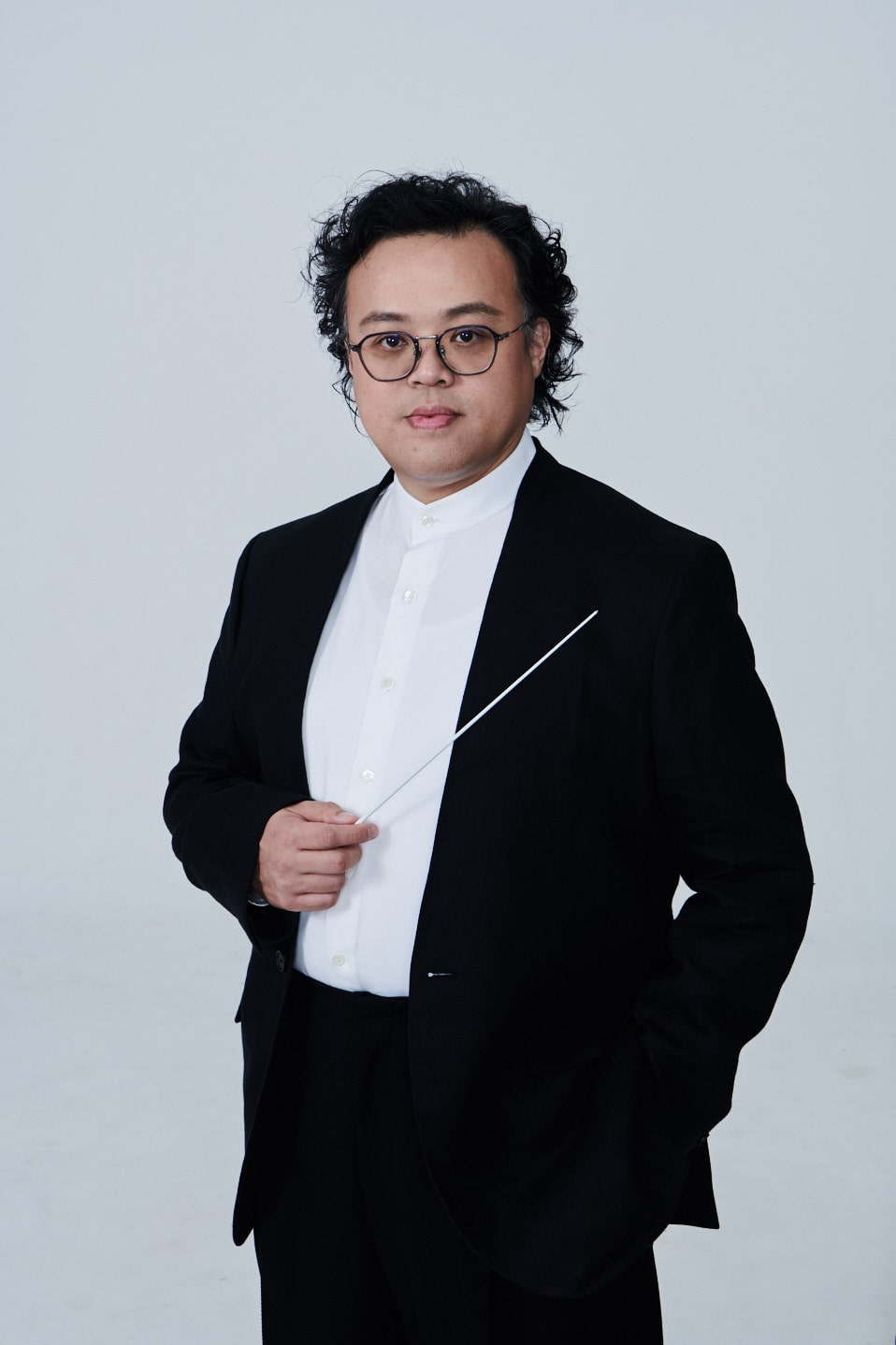
Photo of Rupert Woo Pak-tuen

Conductor Rupert Woo Pak-tuen

Rupert Woo currently serves as the Associate Conductor and Resident Conductor of The Hong Kong Young Chinese Orchestra (HKCO). He graduated in 2012 as the first Master in Conducting at the Hong Kong Academy for Performing Arts (HKAPA). In the Second International Conducting Competition for Chinese Music, Rupert won Second Prize, the Outstanding Young Conductor in Hong Kong Award, and the Audience Award for Most Popular Conductor. He has previously been a guest Instructor in Conducting at Tianjin Conservatory of Music’s Department of Traditional Chinese Musical Instruments, Resident Conductor of its Chinese orchestra, and instructor for its postgraduate programme. Woo has guest-conducted numerous orchestras, including the HKCO, Singapore Chinese Orchestra, Macao Chinese Orchestra, Henan National Music Orchestra, HKAPA’s Chinese and Symphony Orchestras, Tianjin Conservatory’s Fanyin Chamber Orchestra, and Windpipe Chinese Music Ensemble. In 2018, Rupert joined the HKCO as Assistant Conductor (Education and Outreach), overseeing the Hong Kong Young Chinese Orchestra. He has planned and conducted various concerts, such as‘Preservation and Perpetuation of the Classics,’the Australia tour,‘School Culture Day,’‘Our Cantopop,’and the‘Trail of the Blue Dragon’Community Concert in 2022.
#ffffff 0
Has Border
False
Image
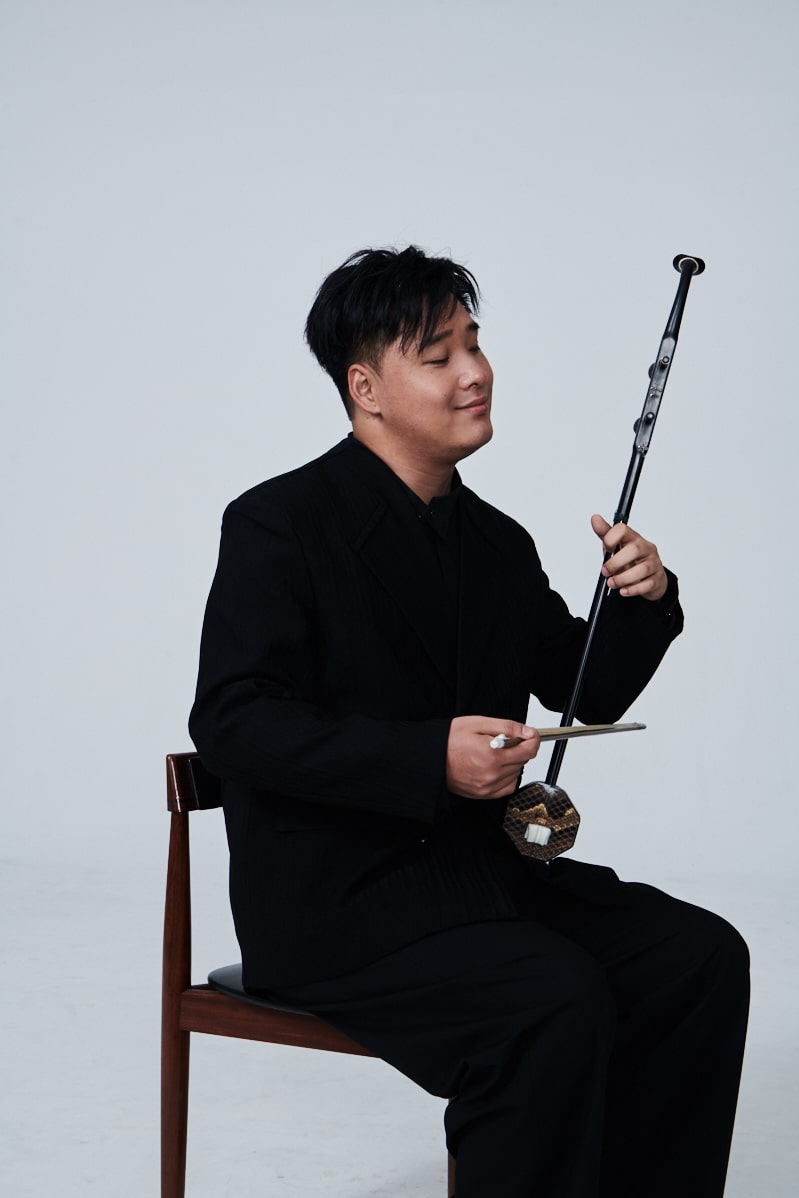
Photo of Yang Enhua

Performer Yang Enhua

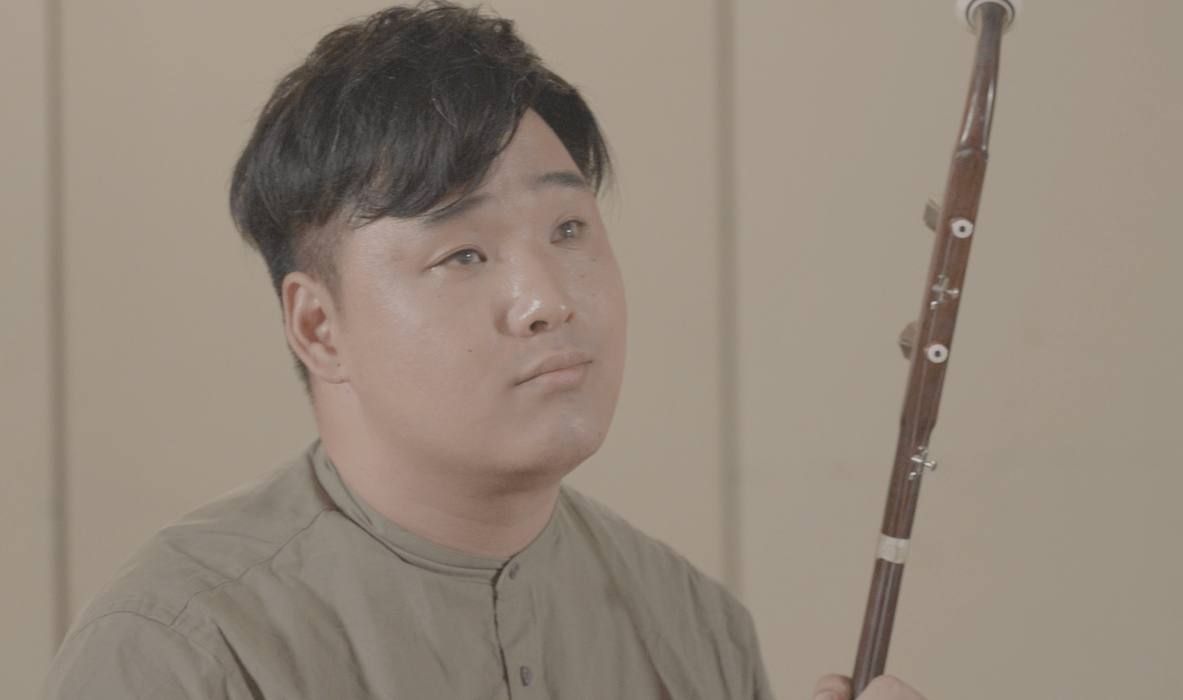
Yang Enhua began learning erhu at the age of 12, and has over fifteen years' experience studying under Zhao Yijun, Gan Bolin, Li Aping, Peng Cheng, Yang Xue, Cao Tianli, Yu Qiwei, Chen Jiebing, Ru Yi, To Wing, Chen Liying, the successor of Pingqiang Nanyin, and Mao Qinghua, the Co-Principal Huqin and Principal Zhonghu of the Hong Kong Chinese Orchestra. In 2022, Yang won the VSA International Young Soloists Competition and performed at the Kennedy Center, USA. In 2024, he performed in Seoul and ranked fourth in Korea's first International Visually Impaired Solo Competition. In 2025, he won the Silver Award at the Singapore International Solo and Chamber Music Competition (Chinese Music category), and received a top ten award at the Danny Awards and the Platinum Award at the World Chinese Music Competition. Yang is committed to promoting musical inclusion, supporting employment for people with disabilities, and connecting communities through music. He is currently pursuing an undergraduate degree at the Hong Kong Academy for Performing Arts, supported by the Lee Hysan Foundation Scholarship.
#ffffff 0
Has Border
False
Image
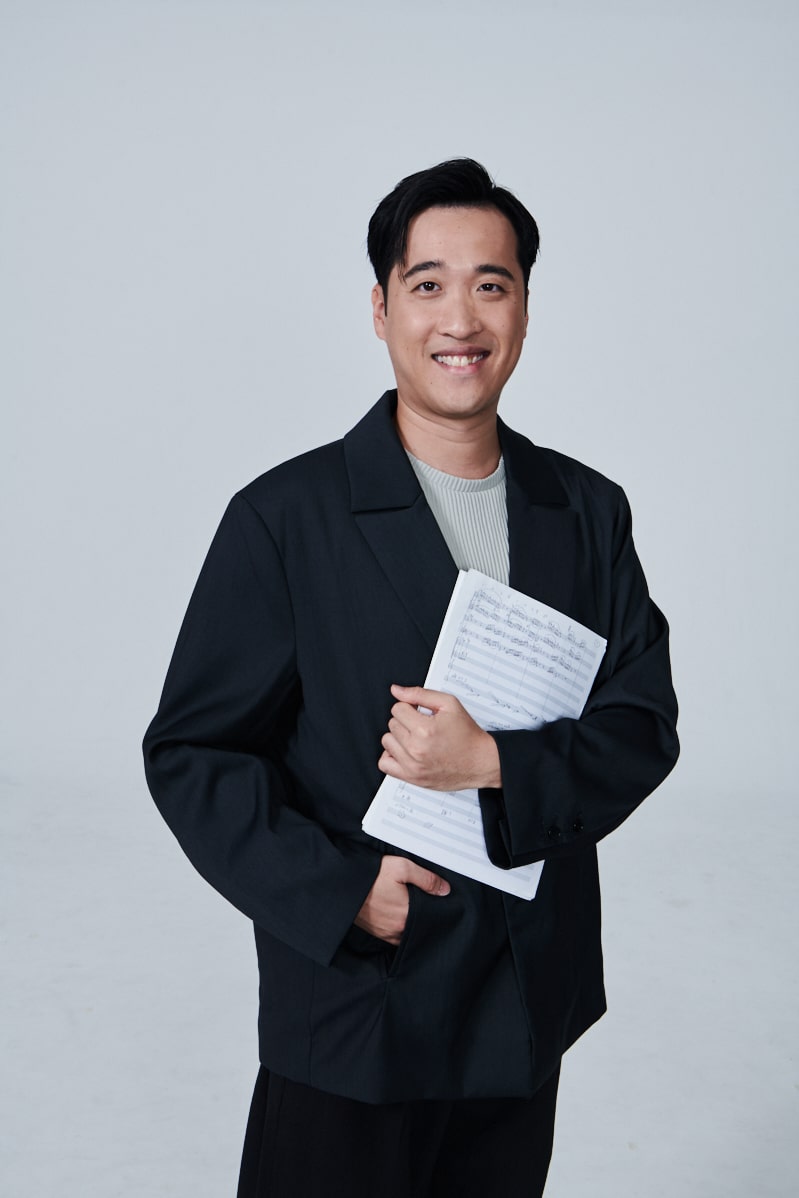
Photo of Luk Wai-chun

Composer for new commissioned work
Luk Wai-chun

Luk Wai-chun, a council member of the Hong Kong Composers’Guild, holds a Doctor of Music degree in Composition from The Chinese University of Hong Kong. His passion for diverse musical styles led him to the University of South Florida as a visiting scholar, where he studied jazz and researched Latin American music. He has collaborated with prestigious ensembles, including the Hong Kong Chinese Orchestra, Kaohsiung Chinese Orchestra, Ensemble Mise-en (USA), Quarteto Larianna (Brazil) and Tacet(i) Ensemble (Thailand). His Chinese orchestra piece Eager to Fly won the Best Young Composer’s Serious Composition Award at the 22nd CASH Golden Sail Music Awards. Additionally, his chamber works Autumn Yearning on the Steppe and Tan-Tiao Rock received the Gold prize at the 2024 and 2021 Dunhuang Awards.
Creative and Production Team

Creative and Production Team

The table of Creative and Production Team
Position Team Member
Curator Eddy Zee (No Limits)
Conductor Rupert Woo Pak-tuen
Composer for new commissioned work Luk Wai-chun
Performers Hong Kong Chinese Orchestra (Chamber Ensemble)

Yang Enhua (Solo and Ensemble)

Hong Kong Chinese Orchestra (Chamber Ensemble Musicians)

The table of Hong Kong Chinese Orchestra (Chamber Ensemble Musicians)
Instrument Musicians
Eco-Erhu Xu Hui ◎
Shih Pei-yu
Kuang Lejun
Song Hui
Wu Tsai-jung
Zhang Yuhui
Siu Sau Han
So Shun Yin
Eco-Gaohu Wong Sum Ho 〇 (Co-Principal Huqin and Principal Gaohu)
Fong Tsz Wai △
Li Xiaoding
Liu Yige
Eco-Zhonghu Mao Qinghua 〇 (Co-Principal Huqin and Principal Zhonghu)
Wong Ka Lok
Wong Ching Yin
Wong Wei Juin
Eco-Gehu Tung Hiu Lo 〇
An Yue
Lee Hsiao-hsia
Ke Yumeng
Eco-Bass Gehu Qi Hongwei 〇
Li Ting Ho
Yangqin Lee Meng-hsueh 〇
Chang Chia-hsiang
Xiaoruan Ge Yang 〇
Chan Siang-lin
Pipa Zhang Ying 〇
Wang Kai-han
Zhongruan Ng Kai Hei 〇
Wu Man-lin
Chan Shuk Har
Daruan Lau Yuek-lam 〇
Fung Yin Lam
Sanxian Zhao Taisheng 〇
Zheng Lee Yi-chien ▢
Harp Tam Wai Li ▢
Bangdi Lin Yu-hsien
Qudi Wu Chih-ting
Xindi / Dadi Chan Chi Yuk ◆
To Fung Lim
Soprano Sheng Wei Shen-fu ◆
Tai Yu-cheng
Tenor Sheng Yuen Kin Hei
Lu Yi
Bass Sheng Lam Chon Weng
Soprano Suona Ma Wai Him 〇
Wu Chun Hei ◆
Alto Suona Law Hang Leung
Tenor Suona Kwan Lok Tin
Bass Suona Liu Hai
Guan Ren Zhaoliang
Percussion Luk Kin Bun 〇
Chan Lut Ting
Liao Yi-ping
Kwan Hoi Yee
Miao Shih-jhe

The HKCO members are listed in Chinese stroke order.

〇  Principal
◎  Acting Principal
◆  Assistant Principal
▢  Freelance Musician
△  Hong Kong Chinese Music Talent Development Programme
The HKCO members are listed in Chinese stroke order. The string section utilizes revolving seating on a systematic basis. Musicians (except principals and assistant principals) change seats systemically.

#ffffff 0
Photo
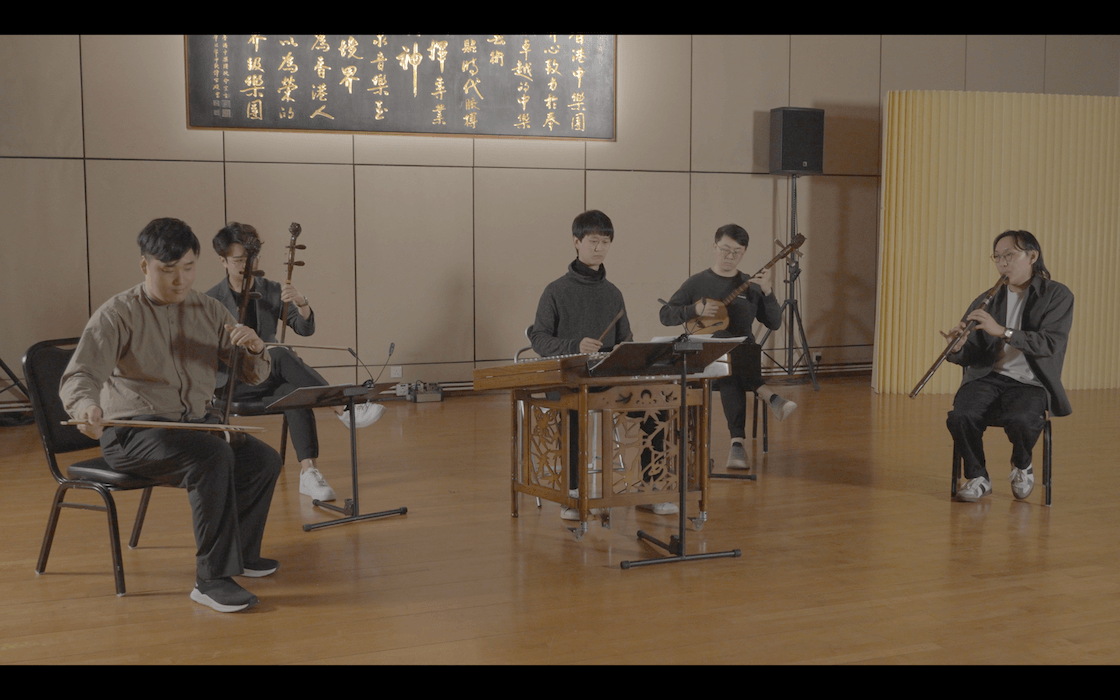
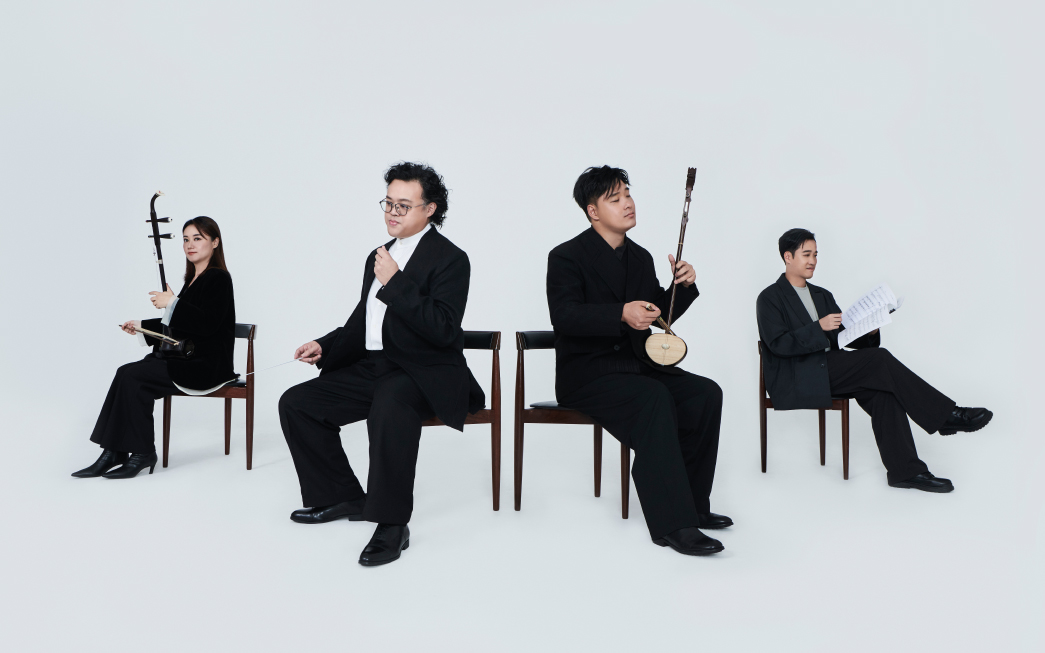
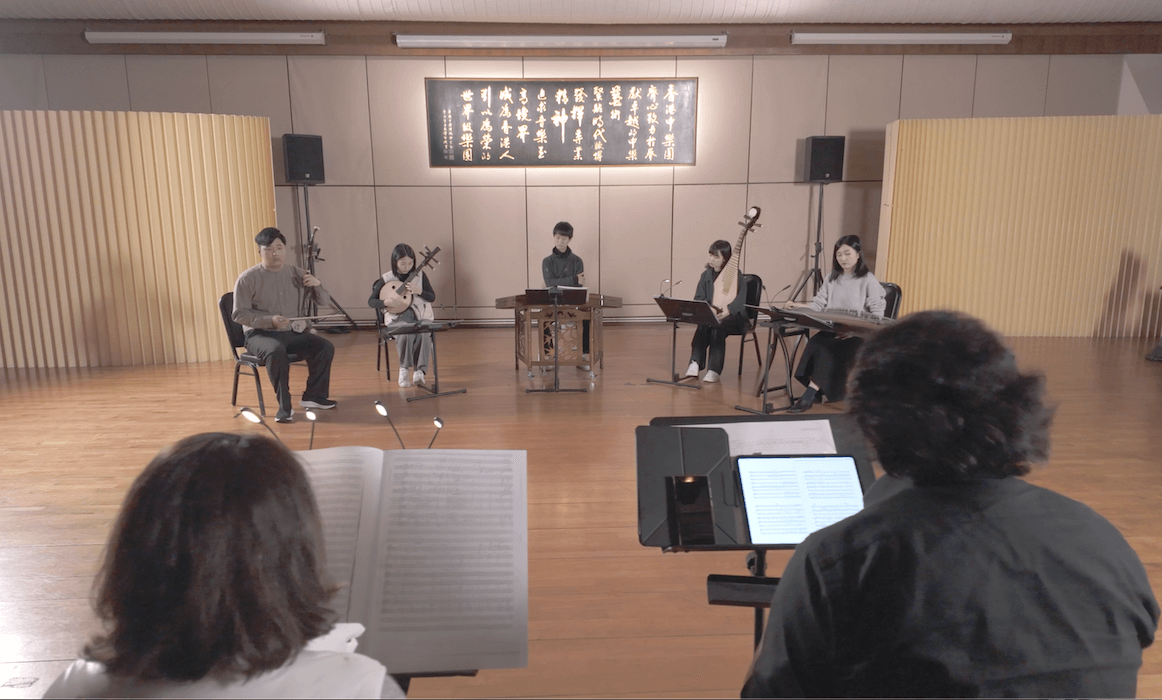
Photo Session - Light and Shadow on Strings 1
Photo Session - Light and Shadow on Strings 2
Photo Session - Light and Shadow on Strings 3
Photo Session - Light and Shadow on Strings 4
Has Border
False